Holding onto someone’s humanity, especially when it’s hard
Exploring unconditional positive regard in our everyday work
There are moments in our work where someone doesn’t meet us how we hoped they would.
A colleague is short in a meeting.
A young person’s behaviour challenges us.
A parent is overwhelmed, reactive, or shuts down completely.
And in those moments, something shifts in us, too.
We might feel frustrated. Judgement creeps in. Our expectations tighten.
Sometimes, without even realising it, the way we see that person begins to change.
The following is a piece from my book Beyond Survival Mode that explores the idea of unconditional positive regard and what it asks of us in our everyday practice.
What is Unconditional Positive Regard?
Psychologist Carl Rogers first wrote about the popular concept of unconditional positive regard in 1951. While it emerged from humanistic therapy, its relevance reaches far beyond clinical settings. At its heart, unconditional positive regard is not a technique, but a relational stance – one that can shape how we lead, teach, support and work alongside others.
The idea invites us to meet another human being with complete, non-judgemental acceptance. It means holding someone in positive regard, not because of what they have done or how they are behaving, but because they are a fellow human being.
At its core, unconditional positive regard reminds us that worth is not something that needs to be earned. A person does not become deserving of care once they perform well, regulate perfectly or meet our expectations. They are worthy simply because they are human.
In practice, this means we do not withdraw our care when someone is struggling. We do not offer kindness only when someone performs well, behaves as expected or meets our standards. We do not wait for someone to ‘deserve’ our compassion. Instead, we meet children, young people, families and colleagues exactly where they are, and offer acceptance alongside clear boundaries.
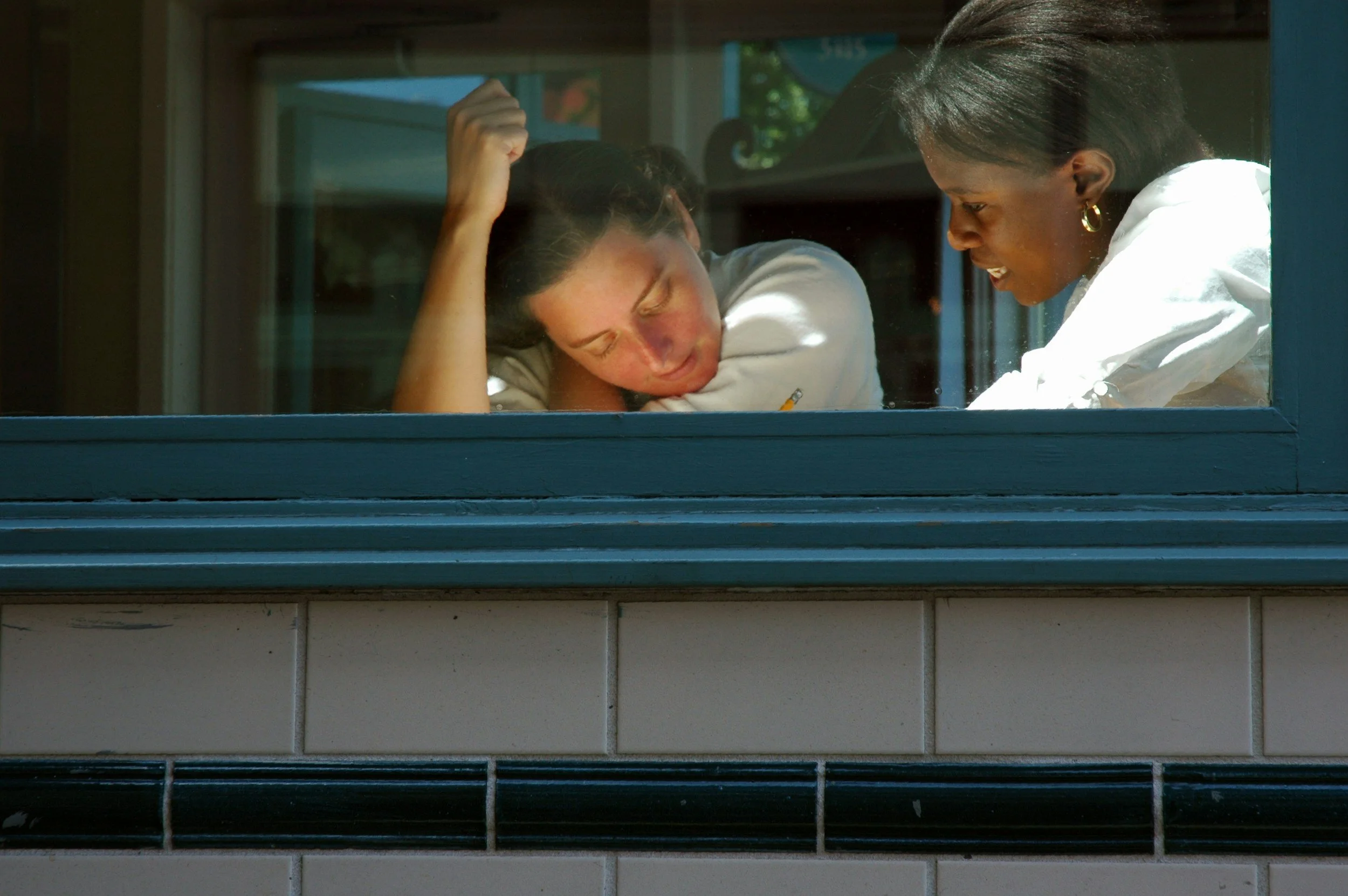
A common myth of unconditional positive regard is that it means permitting poor behaviour. That is not what the work is about. We do not abandon boundaries or lower expectations. Instead, we separate the person from their behaviour. We refuse to define someone by a difficult moment, and we refuse to give up on their worth, even when their behaviour is challenging.
The principles of unconditional positive regard
• Separate the person from their behaviour. Practise reframing how we think and speak about the way someone is behaving. For example, ‘They are a nightmare today’ becomes ‘They are struggling to stay regulated today, and I’m finding it difficult.’
• Take a non- judgemental stance. Check in with yourself. Am I bringing any biases into this moment?
• Recall knowledge of development. Consider the impact of stress, adversity and trauma. What may have happened to this person that led them here?
• Remember that people do well when they can. Stay curious. I wonder how they are feeling right now? What is getting in the way of them doing well?
• Hold belief in growth and change. Stay committed. What opportunities would I like to see for them in the future? What will it take to get them there? What support can I provide?
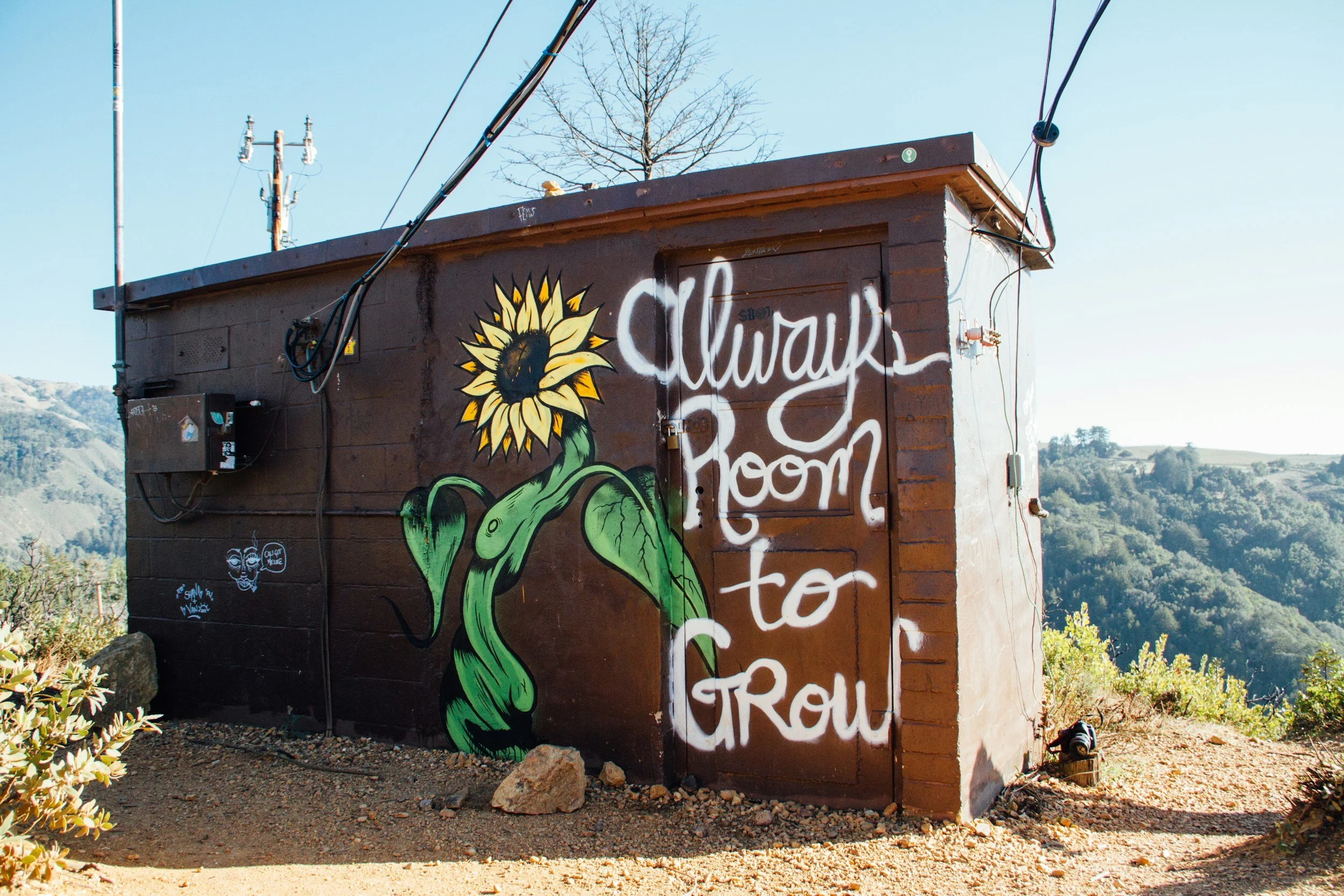
This takes conscious practice: catching our thoughts, noticing what we say in staffrooms and, of course, supporting the children and young people in our care.
We should also be practising unconditional positive regard with our colleagues.
I’m not going to lie. It is often much easier to practise unconditional positive regard with trauma- impacted young people than it is with adults, particularly colleagues. Many workplace cultures actively discourage it. There is often an unspoken, or sometimes very vocal, belief that adults should know better, that they are paid to be here, and therefore should perform without friction, emotion or support.
It is worth noticing how conditional our regard often becomes in workplaces. When someone meets deadlines, remains polite and keeps their emotions out of meetings, they are often labelled as professional or easy to work with. When someone is quiet, irritable, overwhelmed or cries in the staffroom, they may be met with judgement, discomfort or subtle exclusion.
This way of thinking is reinforced by broader systems that value productivity over humanity and performance over presence. But if we genuinely want trauma- informed, relational workplaces, we need to extend the same grace to adults that we offer to young people.
Adults, just like young people, have nervous systems shaped by their history. They carry stories, stressors, losses, traumas and unmet needs. And while we may not always agree with how someone shows up, we can still choose to regard them as fully human, doing their best in that moment, and worthy of care.
This shift may seem radical. It runs counter to individualistic, performance-driven work cultures. It asks us to prioritise connection over perfection, and to see workplace relationships not as transactions but as shared human experiences.
While unconditional positive regard is a personal and relational stance, it is much easier to practise in cultures that make space for it. In teams where people feel safe enough to be human. In workplaces that understand behaviour in context, rather than in isolation.
This is the broader conversation I explore throughout Beyond Survival Mode.
Not just how we show up in individual moments, but how we build the conditions that make this way of being possible, sustainable, and shared.
Partnering with Wagtail Institute
I’d be interested to hear what this looks like in your setting.
At Wagtail Institute, we work alongside schools, carers, and organisations in complex, trauma-impacted settings to support trauma-informed wellbeing, staff culture, and sustainable practice.
If you’re ready to carry this work differently, and not alone, we’d love to walk alongside you. Schedule a call with Megan.
References:
Rogers, C. R. (1951). Client- centered therapy: Its current practice, implications, and theory. Houghton Mifflin.